Payment Security Innovations Fueling Broader Game Libraries in Accountless Mobile Casino Environments
Rafael Coleman · Sep 26, 2026
Payment Security Innovations Fueling Broader Game Libraries in Accountless Mobile Casino Environments
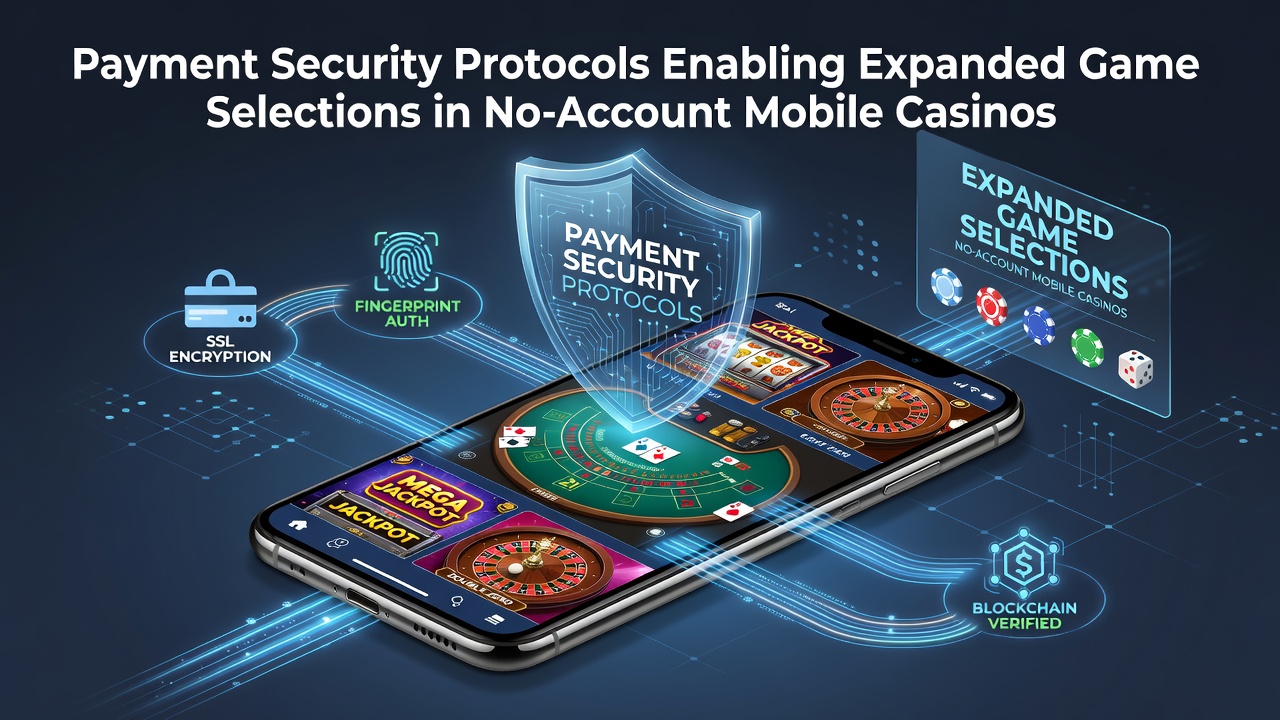
Payment security protocols have transformed how no-account mobile casinos operate, allowing platforms to integrate a wider range of games without traditional registration barriers, and operators achieve this through layered encryption standards combined with real-time verification systems that maintain compliance across multiple jurisdictions. These protocols rely on tokenization methods that replace sensitive banking details with unique identifiers, which reduces exposure during instant transfers while supporting seamless access to slots, table games, and live dealer options from various providers.
Core Elements of Secure Instant Funding Systems
Tokenization works alongside biometric authentication such as fingerprint or facial recognition, and these elements create a framework where players complete deposits in seconds without creating accounts, yet the systems log every transaction for regulatory review. Research from the Alcohol and Gaming Commission of Ontario indicates that adoption of these protocols grew significantly through mid-2026, enabling casinos to onboard game studios that previously avoided fast-funding environments due to fraud concerns. Multi-factor verification adds another layer, requiring device-specific signals alongside bank confirmations, and this combination has allowed platforms to expand selections to include progressive jackpot titles and interactive live tables that demand reliable, high-volume payment handling.
Regulatory Developments Shaping Protocol Adoption
In September 2026, updates from the Nevada Gaming Control Board highlighted new guidelines for secure API integrations in mobile gaming, which encouraged developers to test expanded game libraries in registration-free settings. These guidelines emphasize end-to-end encryption and continuous monitoring, and platforms that meet the standards gain access to partnerships with international providers offering diverse content from European roulette variants to Asian-themed slot machines. Data from industry reports shows that casinos implementing these measures reported higher integration rates for third-party games, since secure protocols minimize chargeback risks and support cross-border compliance requirements.
Expanded Game Access Through Verified Transfers
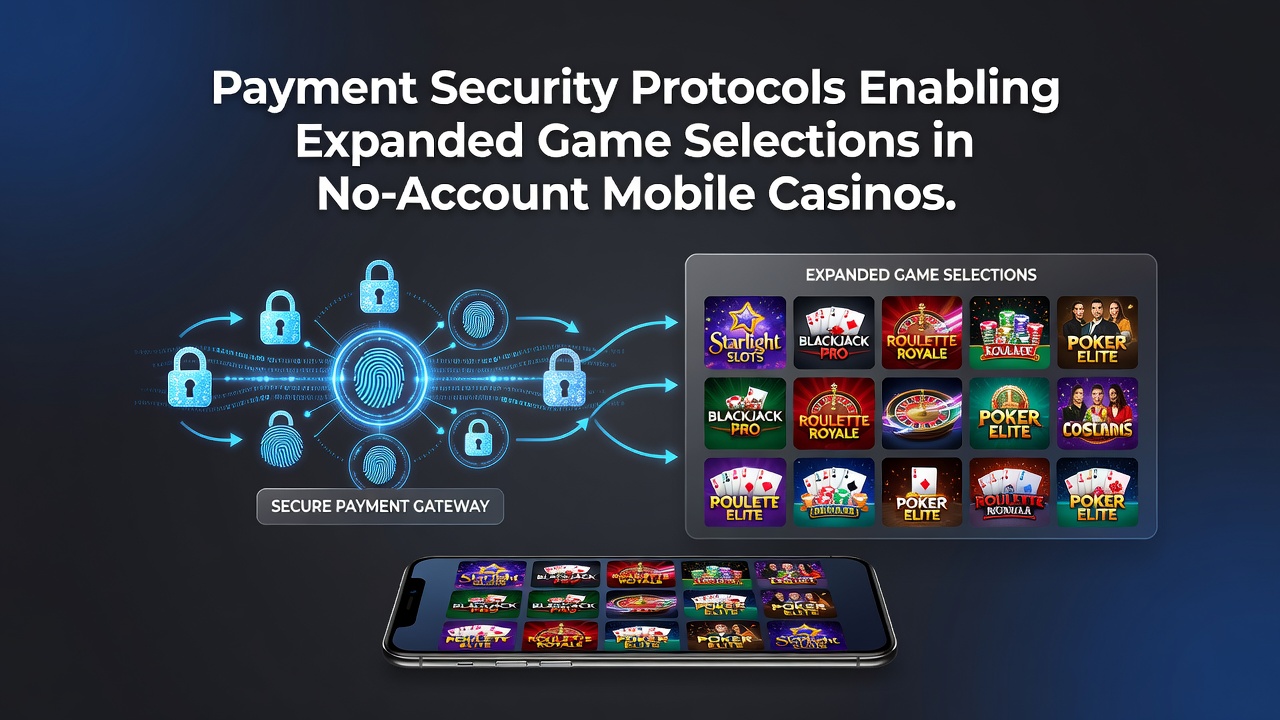
Secure payment frameworks directly influence game variety because studios require assurance that transactions remain protected during rapid play sessions, and this leads to broader catalogs featuring both classic reels and modern video slots with complex bonus rounds. Observers note that no-account models benefit when protocols include dynamic risk scoring, which flags unusual activity without interrupting legitimate users, thereby building trust that attracts more content creators. One example involves a Canadian operator that linked its instant funding system to multiple game aggregators, resulting in over 2,000 additional titles available within weeks of protocol upgrades.
Technical Integration Across Mobile Platforms
API connections between payment gateways and game servers enable real-time balance updates, and these connections rely on standardized security certificates that align with global data protection rules. Platforms using such integrations often feature games from studios specializing in mobile optimization, including titles with touch-friendly interfaces and progressive features that update instantly after each verified deposit. Figures from academic studies on digital transactions reveal that encryption overhead has decreased over recent years, allowing smoother performance even when handling large numbers of simultaneous players across different regions.
Future Trends in Protocol Evolution
Advancements continue as quantum-resistant algorithms enter testing phases for gambling applications, and these developments promise to safeguard expanding game selections against emerging threats while preserving the speed essential to no-account experiences. Regulatory bodies in Australia have begun reviewing similar standards, which may further synchronize international practices and open doors for additional content providers. Those who monitor these shifts see consistent patterns where stronger security correlates with increased game diversity, as operators prioritize partnerships that meet elevated protocol benchmarks.
Conclusion
Payment security protocols continue to underpin the growth of game options in no-account mobile casinos by providing the reliability needed for diverse integrations and regulatory alignment. Through tokenization, biometrics, and evolving encryption methods, these systems support instant access while addressing compliance across varied markets, and ongoing refinements position the sector for sustained expansion in content variety through the remainder of 2026 and beyond.